

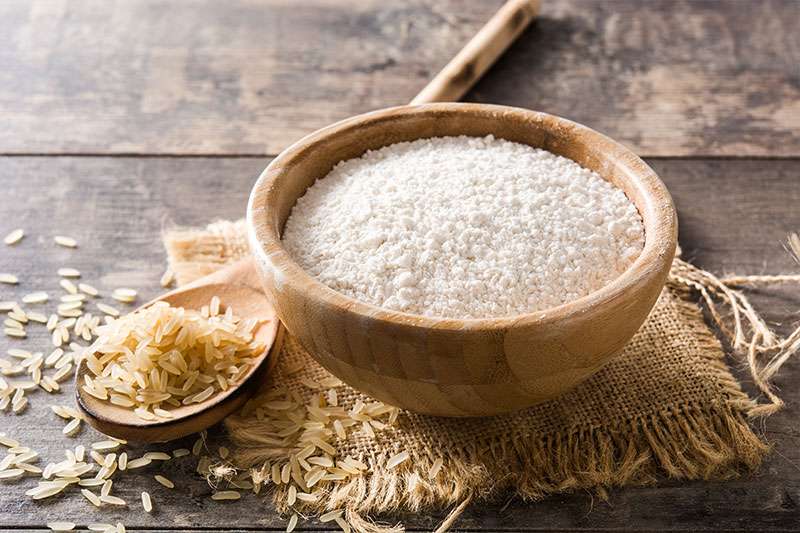
YES! Rice does have protein. It is recognized that around 90% of rice protein occurs as seed storage proteins in protein granules known as protein bodies (PBs). Prolamin builds up in PB-I, whereas glutelin builds up in PB-II.
Rice is an essential element of many people’s diets all across the world. Rice can be a pleasant, nutritious, and flexible ingredient since there are different types of rice to pick from and so many different ways to utilize it. White and brown rice are the two most common varieties of rice in Pakistan. Both varieties are derived from the same grain, although white rice undergoes additional refinement stages during processing. Brown rice is considered full-grain.
Protein Is Important
Protein is essential to almost every bodily function. During digestion, your body deconstructs huge, complex protein molecules, leaving behind smaller amino acids. These amino acids go on to strengthen cell walls, construct muscle tissue and organ tissue, and power neurotransmitters for neurological processes. In extreme situations, such as when glucose or fatty acids are in short supply, your body could consume protein for energy, even though this is only a last option. Protein in rice feeds the body with amino acids, which are nutrients. The amino acids included in rice protein may assist in keeping the body from having too much sugar in the blood. They may also help to lower blood pressure and blood fats.
Protein In Rice
Protein in rice has been identified as one of the essential plant-based proteins that may be used or utilized as an ingredient in a variety of goods, including infant food and gluten-free items. Rice protein extracted with -amylase is more successful than rice protein extracted under alkaline circumstances in lowering cholesterol levels in the liver, most likely because the former is more indigestible and stimulates bile acid excretion through the feces.
Rice has the highest energy digestibility, which is likely due in part to its low dietary fiber and tannin concentration. Cooked rice protein has poorer true digestibility in humans than raw rice protein in developing rats. In developing rats, cooked rice protein has a real digestibility of 89 percent.
Wild rice is the most protein-rich rice kind. A 1-cup cooked dish contains more than 6.5 grams of protein. Brown rice, on the other hand, isn’t far behind. A cup of cooked brown rice has 4.5 to 5 grams of protein. White rice has the least quantity of protein. One cup of steaming white rice has between 4 and 4.5 grams of fiber.
Required Amount Of Protein In The Day
Protein in rice and other plant-based foods is not sufficient for one day. It means they don’t get enough of all the important amino acids. Because your body cannot produce certain amino acids, you must obtain them from your diet.
Your digestive system may separate and combine amino acids from various diets. You only need to consume a variety of incomplete proteins throughout the day. So, whether you have rice for lunch, a side of beans or lentils for supper, or almonds or hummus dip as a snack. You’ll be eating a variety of incomplete protein sources to ensure that your body gets all of the required amino acids.


